

Kailash Mansarovar Trek
Tour snapshot
16 Days
16 persons
Cultural & Spiritual
Overview
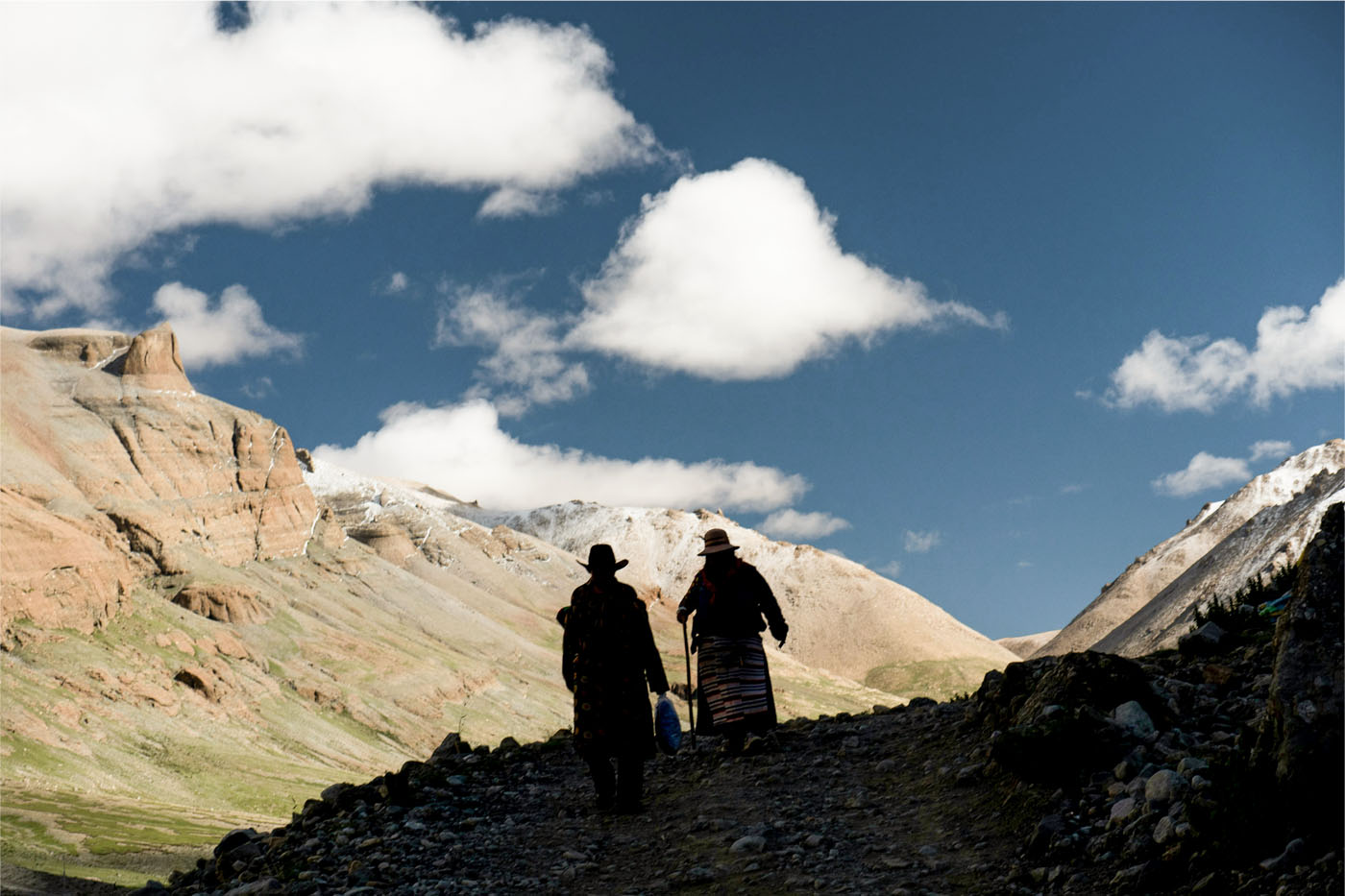
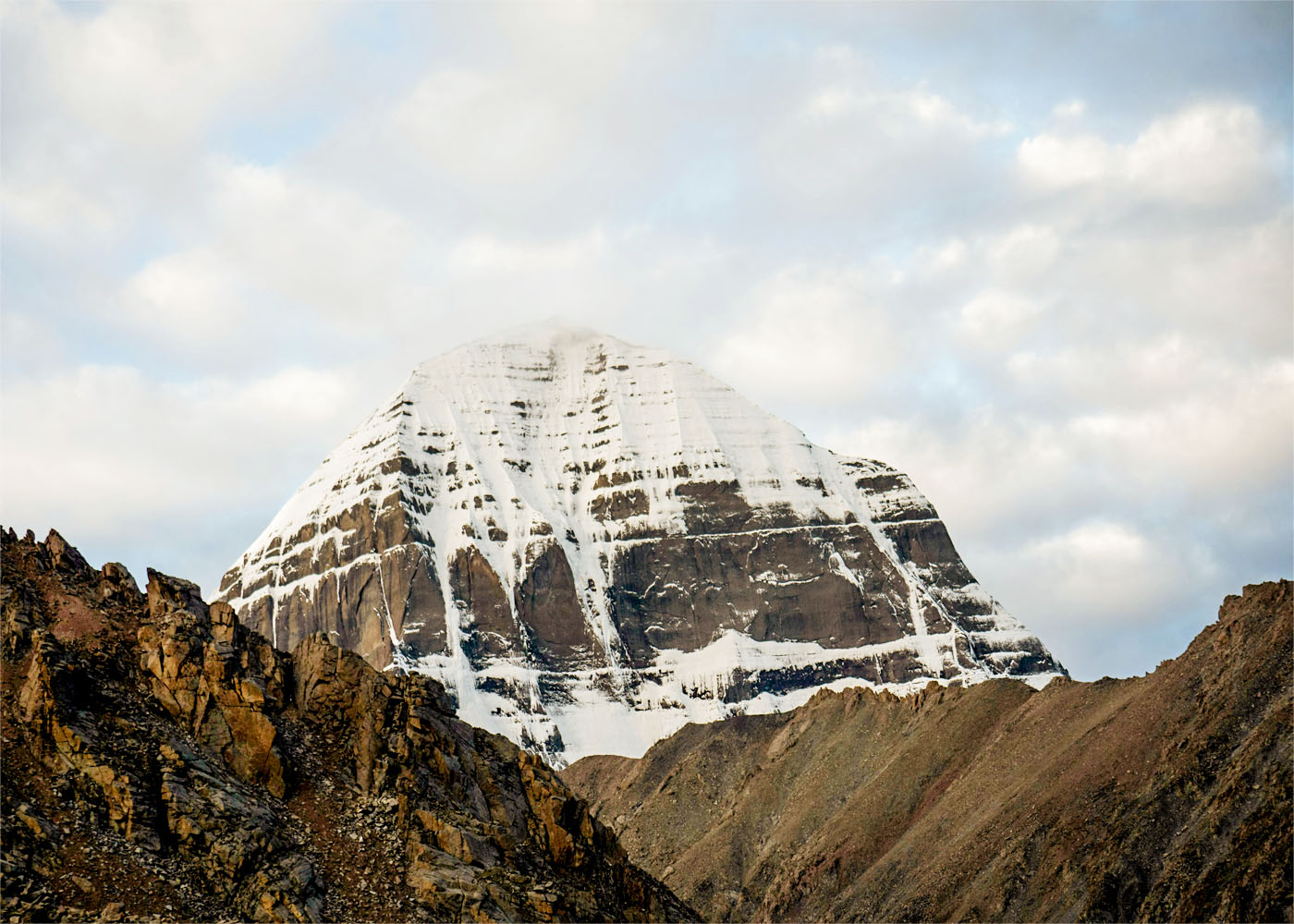
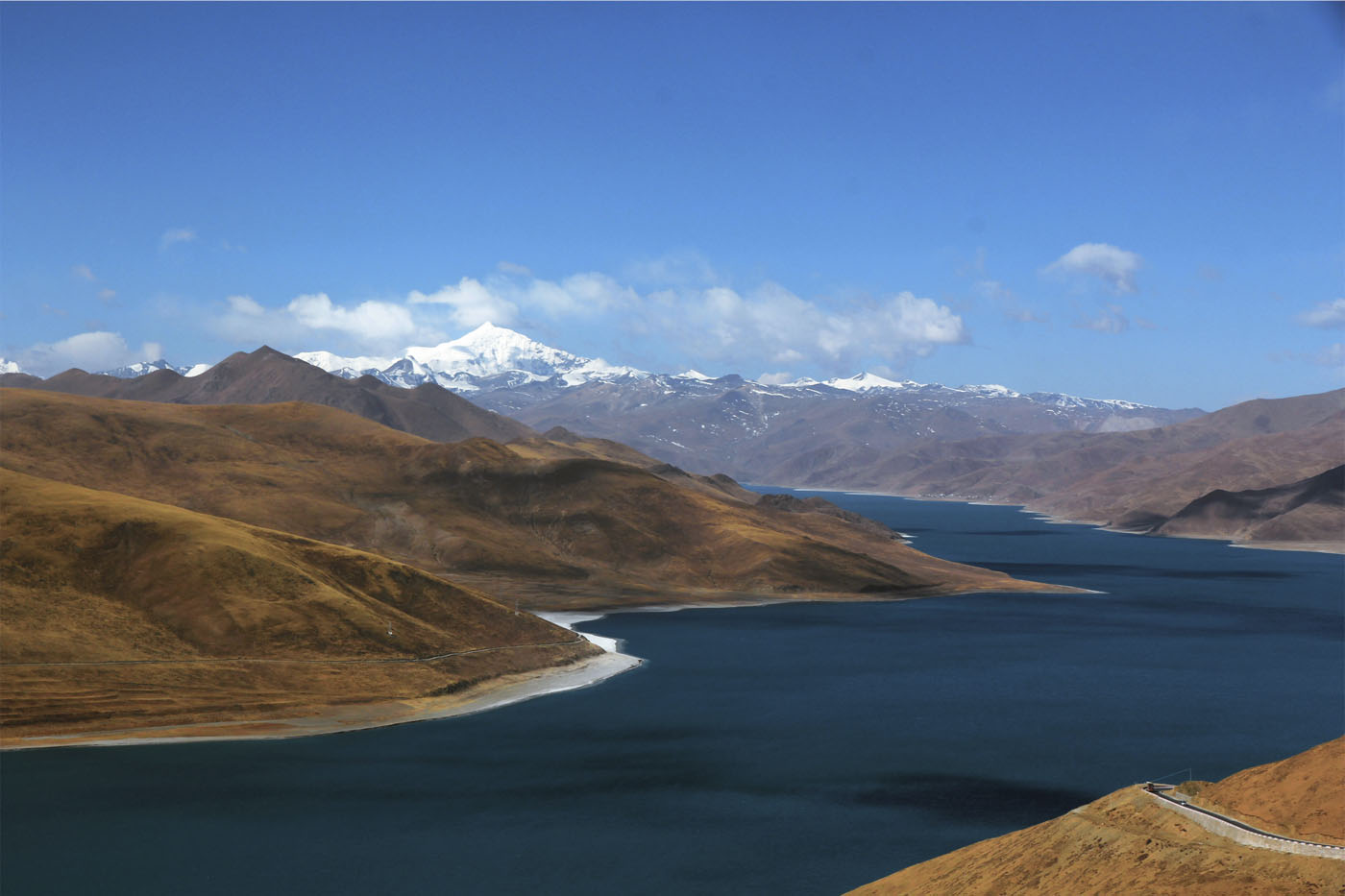
Kailash Mansarovar Trek is one of the most spiritually significant pilgrimages in the world. The trekking circles around the mighty Mount Kailash, the abode of Lord Shiva, and holy Lake Mansarovar in the Tibetan Plateau. The trek combines spiritual growth with breathtaking landscapes, allowing for a deep connection to nature and spirituality.
What is so special about this trek?
What makes the Kailash Mansarovar trek so very special is the unique combination of deep spiritual significance and challenging terrain. Mount Kailash is a never-climbed peak that enjoys great religious importance among Hindus, Buddhists, Jains, and Bonpos. A trek around this holy mountain, called the Kora, is believed to purify the soul and grant blessings. In addition, the spiritual focal point is Lake Mansarovar, which is also believed to be the highest brackish water lake in the world, offering purification rituals to wash the body and spirit clean. The combination of adventure, cultural reason, and spiritual purpose makes this trek once in a lifetime for those seeking both adventure and inner peace.
Highlights of Kailash Mansarovar Trek
- Mt. Kailash: This mountain is the centerpiece of the pilgrimage and a very sacred place for Hindus, Buddhists, Jains, and Bonpos. The Kora trek around the mountain is believed to be a very powerful spiritual journey and the ultimate pilgrimage for many devotees.
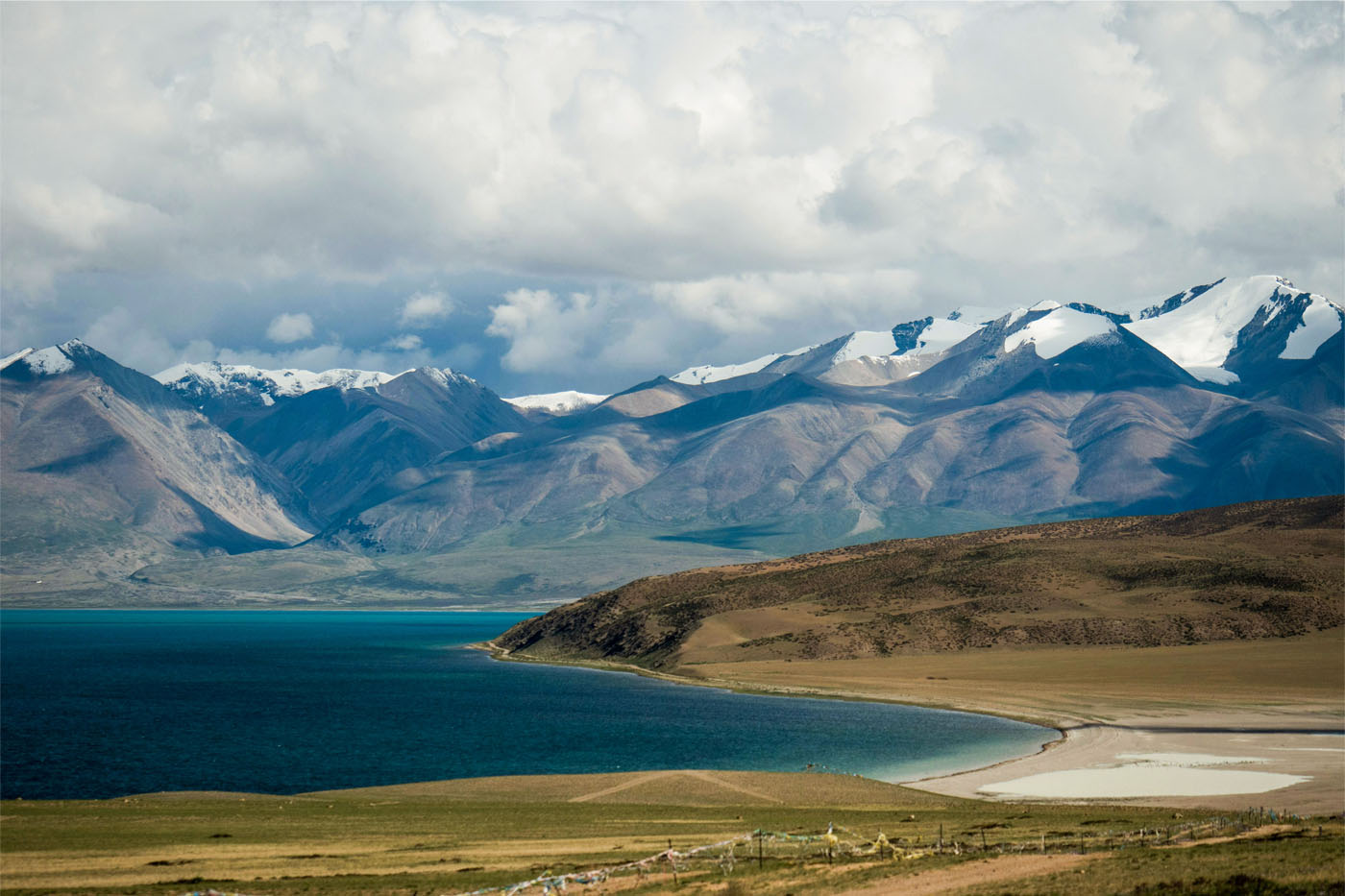
- Lake Mansarovar: The highest brackish water lake is a spiritual haven in the world. In its holy water, the pilgrims take a bath for cleaning their bad sins and enlightening themselves.
- Darchen: Darchen is considered as a base camp for Kailash Kora. It's a small village which lies at the bottom of Mount Kailash.
- Yam Dwar: The other name for it is the "Gateway of the God of Death"; Yam Dwar is the essential ritual place from where the pilgrims say their prayer before starting Kora.
- Dirapuk Monastery: Located on the northern face of Kailash, Dirapuk monastery forms a very significant and essential part in the trek that not only offers wonderful scenery of Mt. Kailash but peace in the surroundings.
- Zuthulpuk Monastery: This monastery is located on the southern side of Kailash and is famous for meditation caves. It is another major stopover point in the Kora.
- Tarboche flagpole or Saga Dawa: A very significant religious site, especially during the Saga Dawa festival when pilgrims converge to hoist the flagpole in honor of Buddha's birth, enlightenment, and death.
- Chiu Monastery: This monastery is located on the hill overlooking Lake Mansarovar, providing a breathtaking panoramic view of this lake and surrounding peaks of the Himalayas. Rakshas Tal, also known as "Lake of Demons," is a saltwater lake located very close to Lake Mansarovar. It has a significant mythological importance and is a strong contrast in land form and character from holy Lake Mansarovar.
- Ashtapad: It is situated at the foothills of Mount Kailash. In Jainism, it is a very important place because Rishabhdev, the first Tirthankara, received Nirvana here.
Included/Excluded
Select Dates
{{type.name}}
{{type.display_price}} per person
Guests
Extra prices:
- {{total_price_html}}
- {{pay_now_price_html}}
Guest in maximum
BOOK NOW Book NowImportant information
- Nature & Adventure
- Hiking & Trekking
- High Mountain (4500m - 6000m)
- Tough
- Spring (March to May)
Itinerary
FAQs about
Kailash Mansarovar Trek
Mount Kailash is located in the Tibet Autonomous Region of China, near the border with Nepal. It stands at an elevation of 6,638 meters (21,778 feet) and is considered the earthly abode of Lord Shiva.
he Kailash Mansarovar trek reaches high altitudes, and altitude sickness is a concern. The itinerary includes acclimatization days to help your body adjust to the elevation. It's essential to stay hydrated, rest when necessary, and avoid overexertion.
Yes, you will need special permits to enter Tibet and access the Kailash Mansarovar region. These permits are arranged through the travel agency organizing the trek. Additionally, a Chinese visa and Tibet Travel Permit are required.
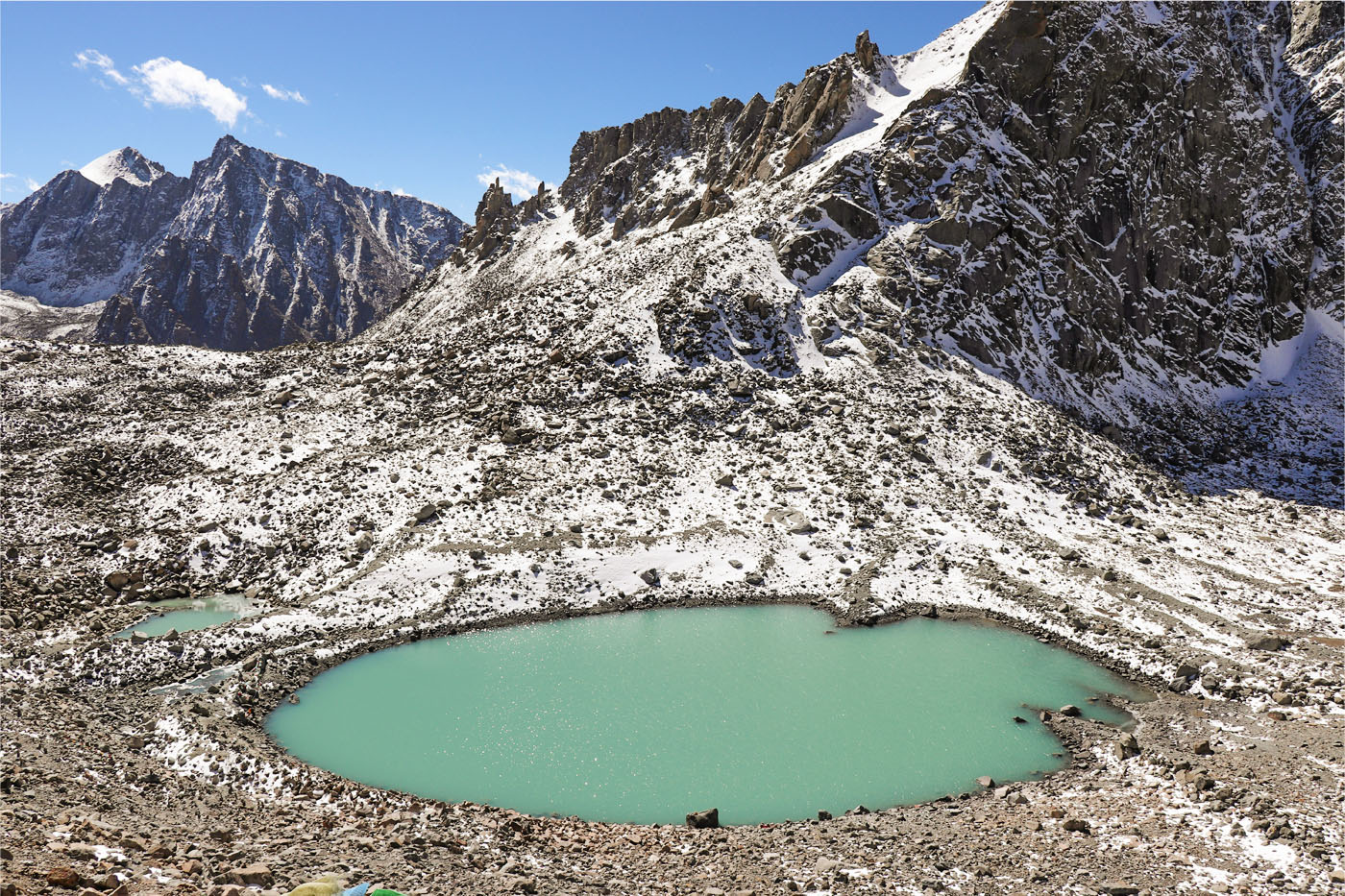
The trek is considered challenging due to the high altitude, rugged terrain, and the physical demands of trekking around Mount Kailash. The highest point of the trek, Dolma La Pass, is at 5,630 meters (18,470 feet). Proper acclimatization is essential.
