

4 Days in Los Angeles: The Complete First Time Itinerary
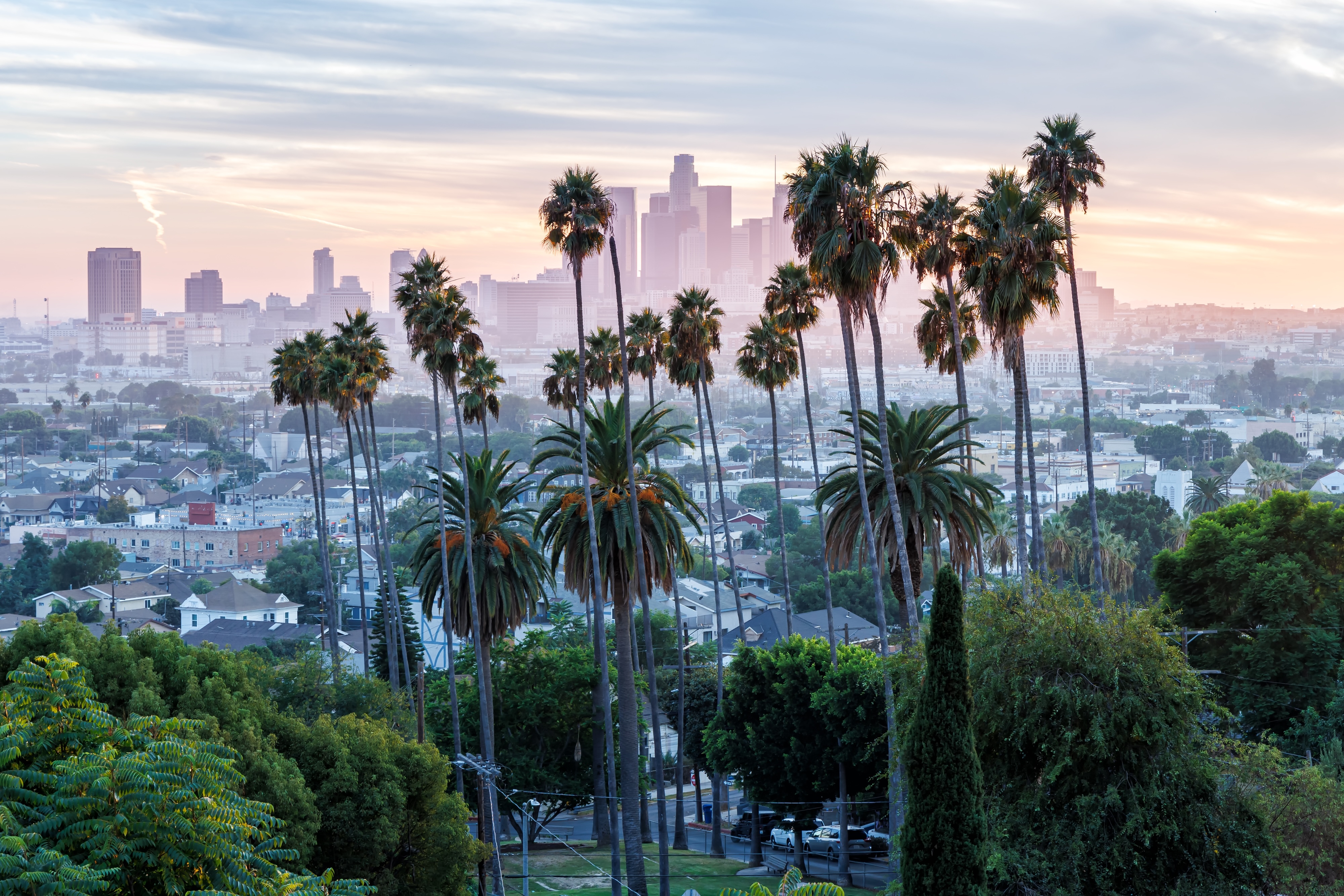
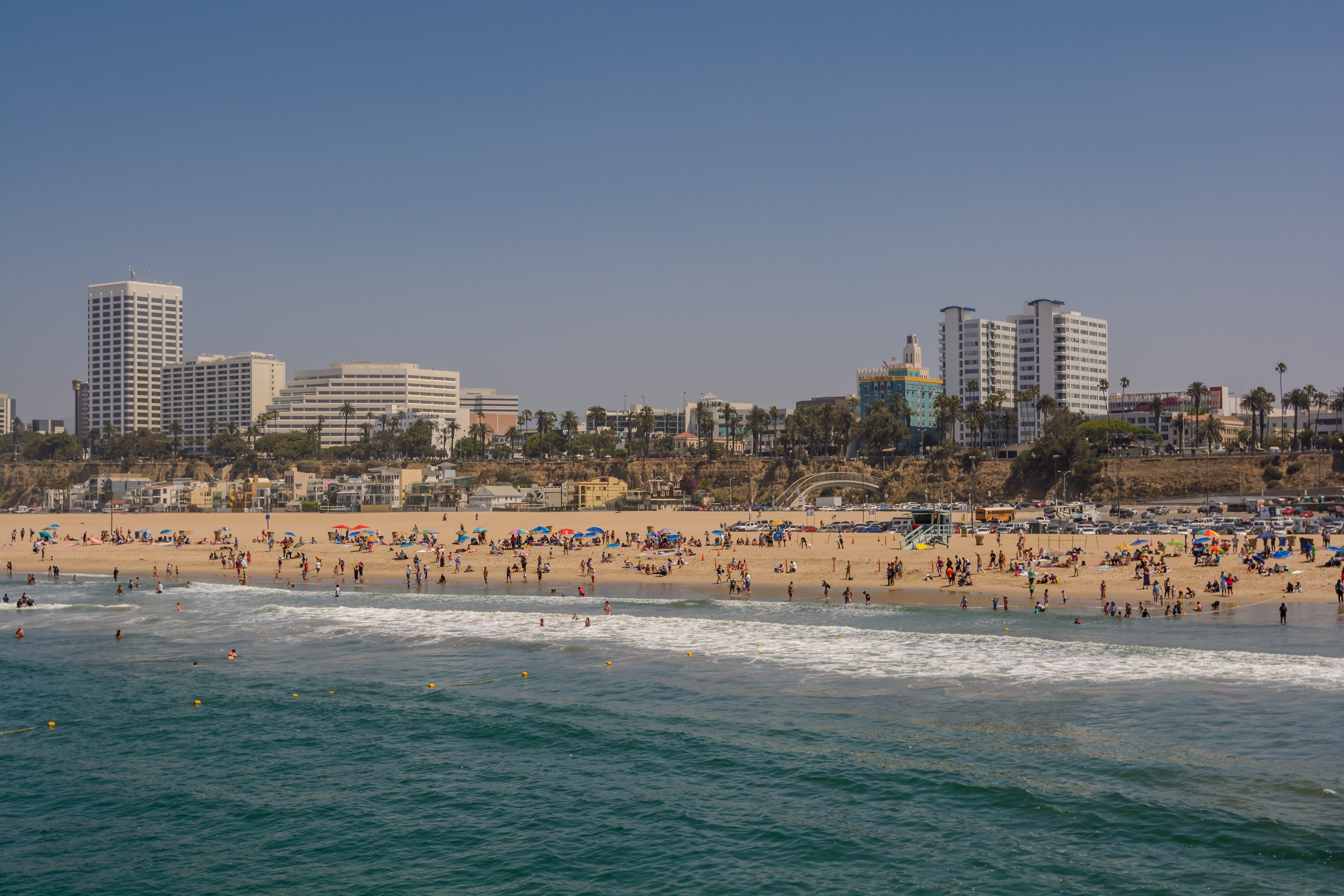
Four days is the right amount of time for a first visit to Los Angeles. It gives you one day for Hollywood, one for the beaches, one full day at Universal Studios, and one for Downtown and the Getty Center. Any less and something important gets cut. Any more, and you are better off adding San Diego or driving up the coast rather than staying in the city.
But there is one thing first time visitors always underestimate about LA: the size. You can walk across the old part of Boston in an afternoon. Los Angeles is spread across about 500 square miles, and the drive from Hollywood to the beach can take 45 minutes on a bad afternoon.
So a good LA itinerary is not about fitting in more stops. It is about grouping stops that sit close together, so you spend your days seeing the city instead of sitting in traffic. That is exactly how this plan is built.
This guide lays out how to spend 4 days in Los Angeles, day by day, using the same grouping our own guides use when they run this route with travelers.
Quick Los Angeles Trip Planning Basics
Getting in: Almost everyone arrives at Los Angeles International Airport, known as LAX. From LAX, expect about 40 to 50 minutes to Hollywood and about 25 to 30 minutes to Santa Monica, depending on traffic. Arrange your airport transfer before you fly. LAX pickup areas changed a few years ago, and finding a rideshare driver there for the first time, after a long flight, is not fun.
Getting around: This is the big question in LA, and you have three real options.
• Metro trains. LA's train system is better than its reputation, and it happens to cover the spine of this itinerary. The B Line runs from Downtown to Hollywood and on to Universal City. The E Line runs from Downtown to Santa Monica. Fares are $1.75 a ride with free transfers for two hours, and there is a cap of $5 a day or $18 over seven days, so you can never overspend. Tap a contactless card, your phone, or a TAP card.
• Rideshare. Uber and Lyft are everywhere and are the most common choice for visitors. Budget roughly $25 to $45 for a longer cross city trip, more in the evening rush.
• Renting a car. It gives you the most freedom, especially for Malibu. But between one way streets, expensive parking, and traffic, most first time visitors find it more stress than it is worth for a four day trip.
Best time to visit: March to May and September to November are the sweet spots, with warm days and thinner crowds. Summer is hot inland and busy everywhere. If you come in June, do not be surprised by grey mornings near the coast. Locals call it June Gloom, and it usually clears by lunchtime.
Where to stay: Hollywood puts you near the Metro B Line and close to Day 1 and Day 3. Santa Monica is calmer, cooler, and better if you want the beach outside your door. Downtown is the cheapest of the three and the best connected by train, but quieter at night.
Day 1: Hollywood and the Hollywood Sign
Keep your first day light. Flights land at all hours, and jet lag from Asia is real, so this day is built around two stops that are close together.
Afternoon: After hotel check in, walk the Hollywood Walk of Fame along Hollywood Boulevard and stop at the TCL Chinese Theatre, where the handprints and footprints of film stars are set into the forecourt. Be prepared: this street is louder, busier, and grittier than the photos suggest. Most visitors need about an hour here, not three.
Late afternoon: Head up to Griffith Observatory, about 15 to 20 minutes from Hollywood Boulevard. This is the single best public view of the Hollywood Sign in the city, and the view back over the LA basin is even better. Try to arrive 60 to 90 minutes before sunset. You get the city in daylight, then sunset, then the lights coming on, all in one visit.
Evening: Come back down to Hollywood Boulevard for dinner. It is a gentle first evening, and you will be glad you did not schedule more.
Practical tip: Griffith Observatory is free to enter, but it is closed every Monday. If your Day 1 falls on a Monday, the grounds and terraces stay open, so you still get the Hollywood Sign view and the sunset. You just cannot go inside. Parking on the hill is charged by the hour, and the road up backs up badly at weekends. The cheap DASH shuttle bus from the Vermont and Sunset Metro station is the easier way up.
Day 2: Santa Monica, Venice, and Malibu
Today is the coast, and it is the day most travelers remember.
Morning: Start at Santa Monica Pier, home to a small amusement park with a Ferris wheel over the water, and the official western end of the old Route 66. Mornings here are quiet and the light is good for photos.
Midday: Move south to Venice Beach, about 10 minutes by car. Walk the boardwalk, which is part street market, part outdoor gym, part street performance. Then walk a few blocks inland to the Venice Canals, a quiet residential neighbourhood of waterways and footbridges built in 1905. Almost nobody on the boardwalk knows they are there, and the contrast between the two is the whole point.
Afternoon: Drive up the Pacific Coast Highway to Malibu, about 30 to 40 minutes from Venice. The drive itself is the attraction, with the ocean on one side and the hills on the other.
Evening: Have dinner in Malibu as the sun goes down over the Pacific. This is the classic Southern California evening, and it is worth planning the day around.
Practical tip: Santa Monica and Venice are connected by a flat paved path along the sand, about 3 kilometres apart. Renting a bike is cheaper than a taxi, faster than walking, and genuinely one of the nicer hours of the whole trip. Also, do not expect warm water. The Pacific here stays cold most of the year, usually around 16 to 18 degrees Celsius even in August. People sunbathe far more than they swim.
Day 3: Universal Studios Hollywood
Give this one a full day. Trying to combine Universal Studios with anything else is the most common mistake in LA planning.
Morning: Arrive at opening. The gates usually open before the official time, and the first hour has the shortest queues of the day. Go straight to the most popular rides while everyone else is still buying coffee.
Midday: Do the Studio Tour. This is the part you cannot get at any other theme park in the world: a tram ride through working backlots, standing sets, and outdoor sound stages where real films are made.
Afternoon: Work through the themed areas at your own pace. Expect to walk 6 to 8 kilometres over the day, much of it on hard ground, so wear proper shoes.
Evening: Finish at Universal CityWalk, the free entry strip of shops and restaurants just outside the park gates. It is the easiest place in LA to pick up souvenirs, and you do not need a park ticket to walk it.
Practical tip: Buy dated tickets online before you travel, not at the gate. Prices change by date, popular dates sell out, and gate prices are the highest. If you are using the Metro, the B Line stops at Universal City station and a free shuttle runs up the hill to the entrance, which skips the parking charge entirely.
Day 4: Downtown LA and the Getty Center
Your last day covers the side of Los Angeles that most first time visitors never see: the art, the architecture, and the food.
Morning: Start at the Getty Center, a hilltop museum with Renaissance paintings, gardens, and a view that stretches to the ocean on a clear day. Entry is free. You pay only for parking, and a small tram takes you from the car park up to the museum.
Midday: Head into Downtown, roughly 25 to 35 minutes away, and have lunch at Grand Central Market. This food hall has been running since 1917 and now holds stalls selling Mexican, Thai, Filipino, Chinese, and Salvadoran food side by side. It is the best value meal in this itinerary.
Afternoon: Two stops within a few minutes' walk of the market. First, step into the lobby of the Bradbury Building, an 1893 office building with an iron and glass atrium that has appeared in dozens of films. Then visit The Broad, a contemporary art museum with work by Jeff Koons, Andy Warhol, and Yayoi Kusama.
Evening: If your flight is late, Downtown has the best rooftop bars in the city for a final look at the skyline. If it is early, Downtown is a straightforward run back to LAX.
Practical tip: The Broad is free, but you need a timed entry reservation, and the popular slots go weeks ahead. Book it the moment you know your dates. The Bradbury Building is a working office, so only the lobby is open to visitors, and only during limited weekday hours.
Where to Find Asian Food in Los Angeles
Los Angeles has some of the best Asian food in the United States, and for many of our travelers this matters as much as the sightseeing. A few neighbourhoods worth knowing:
• Koreatown, just west of Downtown, is the biggest Korean district in the country. Barbecue, stews, and late night food, much of it open past midnight.
• Little Tokyo, walking distance from Grand Central Market, is easy to add to Day 4.
• Thai Town, on Hollywood Boulevard east of the Walk of Fame, fits neatly into Day 1.
• Sawtelle Japantown, in West LA, sits between the Getty Center and Santa Monica.
• Pioneer Boulevard in Artesia, about 30 to 40 minutes south of Downtown, is the South Asian centre of the region, with Indian, Pakistani, and Sri Lankan restaurants, sweet shops, and grocery stores. It is a detour, not a stop on the way to anything, so plan it as its own trip.
Vegetarian and halal options are easy to find across all of these areas. If you have strict dietary requirements, tell your guide or hotel on the first day rather than working it out meal by meal.
What 4 Days in Los Angeles Actually Costs
Planning independently, a realistic per person estimate for four days, not counting international flights:
• Mid range hotel: $150 to $250 a night
• Food: $50 to $80 a day if you mix food halls with sit down meals
• Universal Studios ticket: usually $110 to $180 depending on the date
• Local transport: $20 to $30 for the whole trip on Metro, or $150 or more if you rely on rideshare
• Other attractions: modest, since Griffith Observatory and the Getty Center are free and The Broad is free with a reservation
For comparison, our guided Los Angeles city tour package starts at $1,600 per person for the same four days, which covers accommodation, a guide, entry fees for the listed attractions, and transport between stops.
On tipping: In the United States, tipping is expected, not optional. Restaurants with table service: 18 to 20 percent of the bill. Taxi and rideshare drivers: 10 to 15 percent. Hotel staff who carry your bags: a dollar or two per bag. This catches out a lot of first time visitors from Asia, where service charges are usually built into the price.
Where to Extend This Itinerary
With a fifth day, the three usual additions are Disneyland, about an hour southeast, San Diego, about two and a half hours south, or a day trip up the coast toward Santa Barbara.
But if you have more like a week, the better move is to stop treating Los Angeles as the whole trip. The California coast between Los Angeles and San Francisco is one of the great drives anywhere, and doing it as a loop means you cover two big cities and the coastline in between. Our San Francisco to Los Angeles Coastal Road Trip and the three city Los Angeles to San Diego and San Francisco Coastal Tour both cover that route. Not sure whether to focus on one city or link several together? Our guide on how many days you need for a USA city tour walks through how to make that call.
Prefer This Itinerary With a Guide
Everything in this four day plan, from the Walk of Fame and Griffith Observatory to the coast, Universal Studios, and Downtown, is what our guided Los Angeles city tour package covers. It runs 4 days for groups of up to 12 people, and includes a licensed local guide, 3 star hotel accommodation on a twin or double sharing basis with breakfast, entry fees for the listed attractions, and transport between every stop.
Two things worth being upfront about. The airport transfer to and from LAX is not included in the Los Angeles package, so arrange that separately. And meals beyond breakfast are on you, which is deliberate: in a city with food this good, being locked into set meals would be a loss. If you would rather see the East Coast first, our 4 day Boston itinerary is built the same way.
Frequently Asked Questions
1. Is 4 days enough time in Los Angeles?
- Yes, for a first visit. Four days covers Hollywood, the beaches, a full day at Universal Studios, and Downtown with the Getty Center at a comfortable pace. It is not enough to add Disneyland or San Diego as well, so save those for a fifth day or a second trip.
2. Do I need to rent a car in Los Angeles?
- No. This itinerary works without one. The Metro B Line covers Hollywood and Universal Studios and the E Line reaches Santa Monica, with rideshare filling the gaps. A car helps most for Malibu on Day 2, but between traffic and parking costs, most first time visitors are better off without one.
3. How much does 4 days in Los Angeles cost?
- Planning it yourself, budget roughly $900 to $1,500 per person for four days excluding international flights, depending mainly on your hotel and whether you use Metro or rideshare. A guided package covering hotels, guide, entry fees, and transport starts at $1,600 per person.
4. What is the best time of year to visit Los Angeles?
- March to May and September to November offer the best mix of warm weather and manageable crowds. Summer is hot and busy, and winter is mild but has the highest chance of rain.
5. Is Griffith Observatory free?
- Yes. Admission to the building, the exhibits, and the grounds is free. Only planetarium shows cost extra. It is closed on Mondays, though the grounds and the Hollywood Sign view stay open.
6. How far is Los Angeles airport from Hollywood?
- LAX to Hollywood is about 30 kilometres, which usually takes 40 to 50 minutes by car, and longer in the evening rush. LAX to Santa Monica is closer, about 25 to 30 minutes.
Plan Your Los Angeles Trip
Los Angeles rewards travelers who plan around its size rather than fighting it. Group your days by neighbourhood, accept that you will not see everything, and the city opens up. Four days done properly beats six days spent in traffic.
If you would rather have the hotels, transport, entry tickets, and local knowledge handled for you, our Los Angeles city tour package follows this exact route with a licensed guide included.
